Igloocar Other models
1 model in this series
Renault Master/Igloocar – special body on the French van's chassis: 4-cylinder diesel of 2,299 cm³, 5,730 mm length, 3,500 kg gross vehicle weight, 154 km/h, built 2024
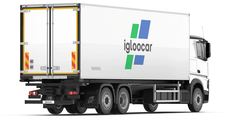
The Renault Master is one of the best-known chassis in Europe's light commercial class N1 and serves numerous bodybuilders as a base for their own coachwork. The register entry's name points to such a bodybuilder, which erected its own body on the Master chassis instead of taking over a standard panel van. Going by its figures, the vehicle belongs to this group of individually bodied chassis.
Read on 3 more paragraphs
The vehicle is powered by a 4-cylinder diesel engine of 2,299 cm³ and reaches a top speed of 154 km/h. With a gross vehicle weight of 3,500 kg and a kerb weight of 2,420 kg, 1,080 kg of payload remains. Overall length is 5,730 mm on a wheelbase of 3,680 mm and a width of 2,110 mm.
A wheelbase of 3,680 mm against an overall length of 5,730 mm points to a moderate body overhang beyond the chassis, a common compromise between load volume and manoeuvrability within the permitted outer dimensions of EU class N1. The diesel engine of 2,299 cm³ is the drivetrain size common on the Master chassis for courier and distribution work.
When buying a used Master with individual bodywork, besides the usual check of engine, brakes and running gear, the transition zone between body and chassis matters most, since settling and corrosion at the mounting points show up there first. The body's own seals should also be checked for moisture ingress. Engine and chassis parts are well available through the regular trade for the Renault Master, while parts for the individual body usually only come directly from the bodybuilder.
Sources: SpecCodex-Register: Kennwerte des Modells Master/Igloocar
Models
Van in 3D section
Turn the model, look inside and click an assembly — each one is explained.
