Pekazett UFF
2 models in this series
Pekazett UFF – range from the Zweibrücken manufacturer: UFF 260 and UFF 360, 42.5 kW / 58 hp, four-cylinder of 3,400 cm³, unladen weight 4,200 to 4,900 kg
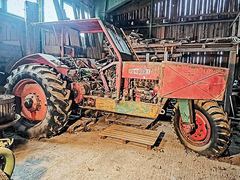
Pekazett was a German manufacturer based in Zweibrücken in the Palatinate; the UFF range comprises the two diesel tractors UFF 260 and UFF 360. Little is documented about the exact production period and numbers built of the UFF range, but the surviving figures point to an unusually heavy vehicle concept for its power class.
Read on 3 more paragraphs
The register lists here 2 versions with 42.5 kW, or 58 hp, from a four-cylinder engine of 3,400 cm³, an unladen weight of 4,200 to 4,900 kg, a length of 4,550 mm, a width of 2,200 mm, a height of 2,550 mm and a rated speed of 2,300 rpm.
With an unladen weight of over four tonnes against comparatively moderate power, the UFF range stood for a robust, heavy vehicle build, as sought for demanding field and transport work in the Palatinate and neighbouring regions. Heavy diesel tractors of this kind from small West German makers competed in the 1950s and 1960s with the established large brands for regional customers, especially on farms with demanding terrain.
Buyers of used units should check the injection pump and fuel system, clutch and gearbox, and given the weight especially the brakes and frame for wear and rust; as the manufacturer no longer exists, spares can only be obtained through collectors and specialist restorers. Checking the cooling system, steering and the often heavily worked rear axle also matters; given how rare such a vehicle is, consulting Palatinate tractor-collector circles before purchase is worthwhile.
Sources: SpecCodex register, model data: Pekazett UFF
Models
Tractor in 3D section
Turn the model, look inside and click an assembly — each one is explained.
