Tesmec Other models
1 model in this series
Tesmec Hydraulic Puller Tensioner: EU class O4 trailer with a 12,200 kg gross weight, 5,700 mm length, a 4,030 mm wheelbase and a top speed limited to 80 km/h
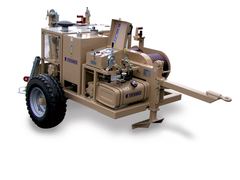
Tesmec is an Italian manufacturer of machinery for building and maintaining line networks, including trenchers and ploughs for laying pipes and cables as well as pulling and braking machines for stringing overhead power lines. The trailer designated Hydraulic Puller Tensioner, built in 2023, belongs exactly to this equipment group: a hydraulically driven pulling and braking unit used when hauling in and tensioning power conductors and earth wires.
Read on 3 more paragraphs
With a gross weight of 12,200 kg the vehicle sits in EU trailer class O4. It is 5,700 mm long, 2,450 mm wide, has a wheelbase of 4,030 mm and runs on four wheels. Top speed is limited to 80 km/h, lower than the 100 km/h usual for trailers, fitting short moves between work sites rather than long-haul travel.
As an O4-class vehicle, the trailer carries a dual-line compressed-air braking system, mandatory from class O3 upward. The pulling and braking unit mounted on the trailer itself runs on a hydraulic drive and is used in network construction to haul conductor cable between pylons in a controlled way while keeping the required line tension.
When buying a special-purpose trailer like this secondhand, besides the chassis and braking system, the condition of the hydraulics matters most: hoses, cylinders and pumps should be checked for leaks and wear, since the unit's actual working output runs through the hydraulic system. Cable drums and guide rollers should be checked for abrasion, and the chassis axles for play.
Sources: SpecCodex-Register: Kennwerte des Modells Tesmec Hydraulic Puller Tensioner, Tesmec
Models
Trailer in 3D section
Turn the model, look inside and click an assembly — each one is explained.
