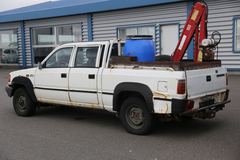
Tata Telco Other models
2 models in this series
Tata Telco – other models: the collective page with the Telcoline 207 P.U. and the Telcosport 207 TDI, four-cylinder 1,948 cm³ engine, kerb weights 1,540 to 1,650 kg, gross weight 2,540 kg
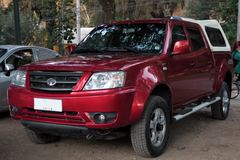
This page gathers the Tata Telco models the register could not assign to a named series: the Telcoline 207 P.U. and the Telcosport 207 TDI. Telco stands for Tata Engineering and Locomotive Company, the former name of the Indian manufacturer Tata Motors, with plants in Pune and Jamshedpur; the Telcoline name was used to market the group's pickup in several export markets, and the number 207 refers to the chassis payload class.
Read on 4 more paragraphs
The register lists 2 versions here with a four-cylinder engine of 1,948 cm³ displacement, kerb weights from 1,540 to 1,650 kg, a gross vehicle weight of 2,540 kg and a width of 1,700 mm.
As an open-bed pickup and a double-cab sport version, the Telcoline competed in its export markets with rugged commercials such as the Toyota Hilux and Mitsubishi L200, used both commercially and privately for driving off sealed roads.
When buying used, check corrosion on the frame, load bed and wings, the condition of four-wheel drive and the transfer case where fitted, clutch function under frequent off-road use, and parts availability, which depending on the market runs through Tata Motors representatives or independent commercial-vehicle workshops.
With a gross vehicle weight of 2,540 kg, the Telcoline falls clearly within the EU class N1 and can be driven on a category B licence; the Telcosport variant differs from the plain pickup through its double cab with an extra row of seats, which shortens the load bed in favour of passenger space.
Sources: SpecCodex register, model data: Tata Telco
Models
Van in 3D section
Turn the model, look inside and click an assembly — each one is explained.