Kober Other models
1 model in this series
Kober 808-D 45(J9) MC 45 DT: 4,500 kg commercial vehicle at the N2 class boundary, with a four-cylinder engine, 2,470 mm width and a 4,550 mm wheelbase
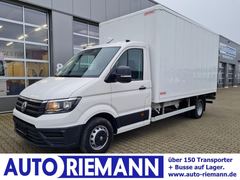
At a gross vehicle weight of 4,500 kg, the 808-D 45(J9) MC 45 DT sits just above the 3.5-tonne mark in EU class N2, which extends up to 12 tonnes. Vehicles at the lower end of this class are usually built on reinforced chassis and used for tasks that need more payload than a category B car licence still allows.
Read on 3 more paragraphs
The four-cylinder engine drives the vehicle with a gross vehicle weight of 4,500 kg and an unladen weight of 2,940 kg, leaving around 1,560 kg for payload. At 2,470 mm wide and with a 4,550 mm wheelbase on four wheels, the chassis is built for a medium-length body, as is common for box or special bodies in this weight class.
For operation above 3.5 tonnes, the EU requires licence category C1 instead of B, and depending on use, tachograph and driving-time rules can apply. The four-wheel chassis without dual tyres is typical of the lower half of class N2, while heavier vehicles in this class usually stand on six wheels with dual tyres on the rear axle.
For a used example in this weight class, the condition of the brake system under full load matters, along with corrosion on the frame and wheel arches, and the condition of the suspension and shock absorbers, which take more strain under frequently changing loads than on a plain passenger-car chassis. It is also worth checking the steering linkage and the mounting points of any fitted body, since vehicles at this end of class N2 are often used for varied jobs with frequently swapped equipment.
Sources: SpecCodex-Register: Kennwerte des Modells Kober 808-D 45(J9) MC 45 DT
Models
Truck in 3D section
Turn the model, look inside and click an assembly — each one is explained.
