Hydro Connect Other models
2 models in this series
Hydro Connect – other models: the collective page of MEPS-registered three-phase motors outside the named ranges, frame sizes 100 to 115, 2.2 to 3.7 kW, two-pole, IP56 protection
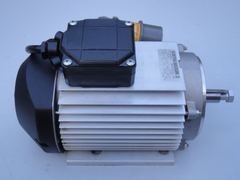
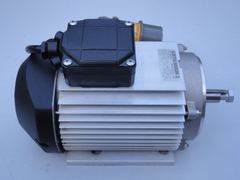
This page gathers the Hydro Connect three-phase motors the Australian energy-efficiency register could not assign to a named range. The designations recorded in the register, HC-EGBP5022 and HC-EGBP5037, follow the maker's own scheme of a company code and a multi-digit sequence; exactly how the digits are to be read cannot be reconstructed from the dump alone.
Read on 3 more paragraphs
The register lists here 2 versions with 2.2 to 3.7 kW rated output, both two-pole, for a 380 to 415 V supply, with full-load efficiencies from 86.75 to 87.92% and at 75% load from 85.44 to 87.84%. Protection is IP56, frame sizes run from 100 to 115, the mounting code is B3 (foot type). Manufacturing takes place in China, testing followed the 2019 GEMS determination with test method B.
Two-pole three-phase motors of this power class run at a synchronous speed of 3,000 rpm at 50 Hz and are chiefly used in high-speed pumps and compressors; the IP56 rating – dust-tight and protected against powerful water jets from all sides – allows, unlike the simpler IP44 class, use in unsheltered outdoor settings too.
When buying used, bearing condition and a checked insulation resistance of the winding, the tightness of the terminal box and shaft lead-through, the condition of shaft and key, and a legible nameplate with frame size, pole count and protection rating matter. Spares run through Hydro Connect's distribution.
Sources: SpecCodex register, model data: Hydro Connect (weitere Modelle, MEPS-Registrierungen)
Models
Electric motor in 3D section
Turn the model, look inside and click an assembly — each one is explained.