Fendt 700 Vario Gen6
2020–2022 · 4 models in this series
Fendt 700 Vario Gen6 – the sixth generation of the mid-range series: 718 to 724 Vario with AGCO Power six-cylinder 6,056 cm³, 163 kW / 222 hp, 988 Nm torque
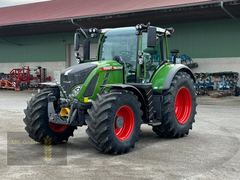
The Fendt 700 Vario Gen6 is the sixth iteration of the mid-range Vario series from Marktoberdorf, which has ranked among the maker's best-selling tractors since its 1998 launch. The 718 to 724 Vario models are powered by a six-cylinder engine from Fendt's parent group AGCO Power of 6,056 cm³, meeting the emissions stage with AdBlue injection; the stepless Vario transmission, the maker's hallmark since 1995, remains the namesake of the entire model range. The Gen6 iteration bundles the latest update to the 700 series' engine, cab and operating electronics.
Read on 3 more paragraphs
The register lists here 4 versions with a rated output of 163 kW, or 222 hp, at 2,100 rpm, a torque of 988 Nm, unladen weights from 7,790 to 7,980 kg, a length of 5,240 mm, a width of 2,550 mm and a height of 3,050 mm.
The 700 series forms the mid segment of the Fendt range between the compact 300 and 500 models and the large 800 and 900 series, and is used chiefly in arable farming and for heavy tillage and transport work, where it competes against the John Deere 6 series and the Case IH Puma range.
On a used buy, what counts is the condition of the Vario transmission unit and its oil cooling, the tightness of the AdBlue system and exhaust aftertreatment, the function of the terminals and ISOBUS interface, and the operating-hours count and service record through the Fendt dealer; spare parts run through the AGCO dealer network.
Sources: SpecCodex register, model data: Fendt 700 Vario Gen6, Fendt (AGCO, Hersteller)
Models
Tractor in 3D section
Turn the model, look inside and click an assembly — each one is explained.
718 Vario Gen6
The Fendt 718 Vario Gen6 is a model in the 700 Vario Gen6 series. Production: 2020–2022. The engine delivers 181 hp,...

720 Vario Gen6
With the 720 Vario Gen6, Fendt offers a model from the 700 Vario Gen6 series. Production: 2020–2022. The engine...
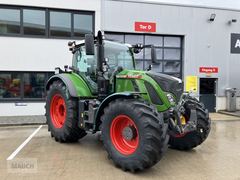
722 Vario Gen6
The 722 Vario Gen6 from Fendt is part of the 700 Vario Gen6 series. Production: 2020–2022. The engine delivers 222...
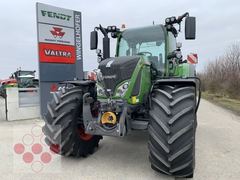
724 Vario Gen6
The 700 Vario Gen6 series from Fendt includes the 724 Vario Gen6. Production: 2020–2022. The engine delivers 237 hp,...