Donstak Other models
2 models in this series
Donstak – other models: the collective page of MEPS-registered YE2 three-phase motors outside the named ranges, frame sizes 112 to 132, 4 to 7.5 kW, two-pole, IP44 protection
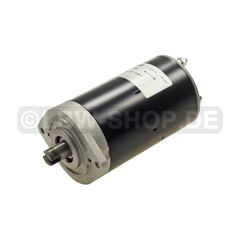
This page gathers the Donstak three-phase motors the Australian energy-efficiency register could not assign to a named range. The designations recorded in the register, YE2-112M-2 and YE2-132S2-2, follow the YE scheme common in China: YE2 denotes the range, the digit sequence the IEC frame size (112, 132), the letter the build length (M, S), and the final digit the pole count (2 in both cases here).
Read on 3 more paragraphs
The register lists here 2 versions with 4 to 7.5 kW rated output, both two-pole, for a 415 V supply, with full-load efficiencies from 87.8 to 89.7% and at 75% load from 88.01 to 89.98%. Protection is IP44, frame sizes run from 112 to 132, the mounting code is B3 (foot type). Manufacturing takes place in China, testing followed AS/NZS 1359.5:2004 with test method B.
The YE2 mark in the model name is the designation common in China for the standard efficiency class, corresponding to the IE2 level under IEC 60034-30-1; two-pole motors of this power class run at 3,000 rpm at 50 Hz and drive high-speed pumps, compressors and fans. The IP44 rating – dust-protected and protected against splashing water from all directions – suffices for use in dry to moderately humid interiors, but not for open outdoor use.
When buying used, bearing condition and a checked insulation resistance of the winding, the condition of the terminal box and fan cover, the condition of shaft and key, and a legible nameplate with frame size, pole count and protection rating matter; since IP44 offers no protection against jetting water, corrosion in the terminal box is especially worth checking on motors from outdoor use. Spares run through Donstak's distribution.
Sources: SpecCodex register, model data: Donstak (weitere Modelle, MEPS-Registrierungen)
Models
Electric motor in 3D section
Turn the model, look inside and click an assembly — each one is explained.