Video links for drones (FPV and image transmission)
Manufacturers in this group:
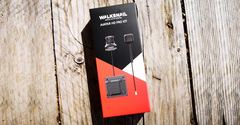
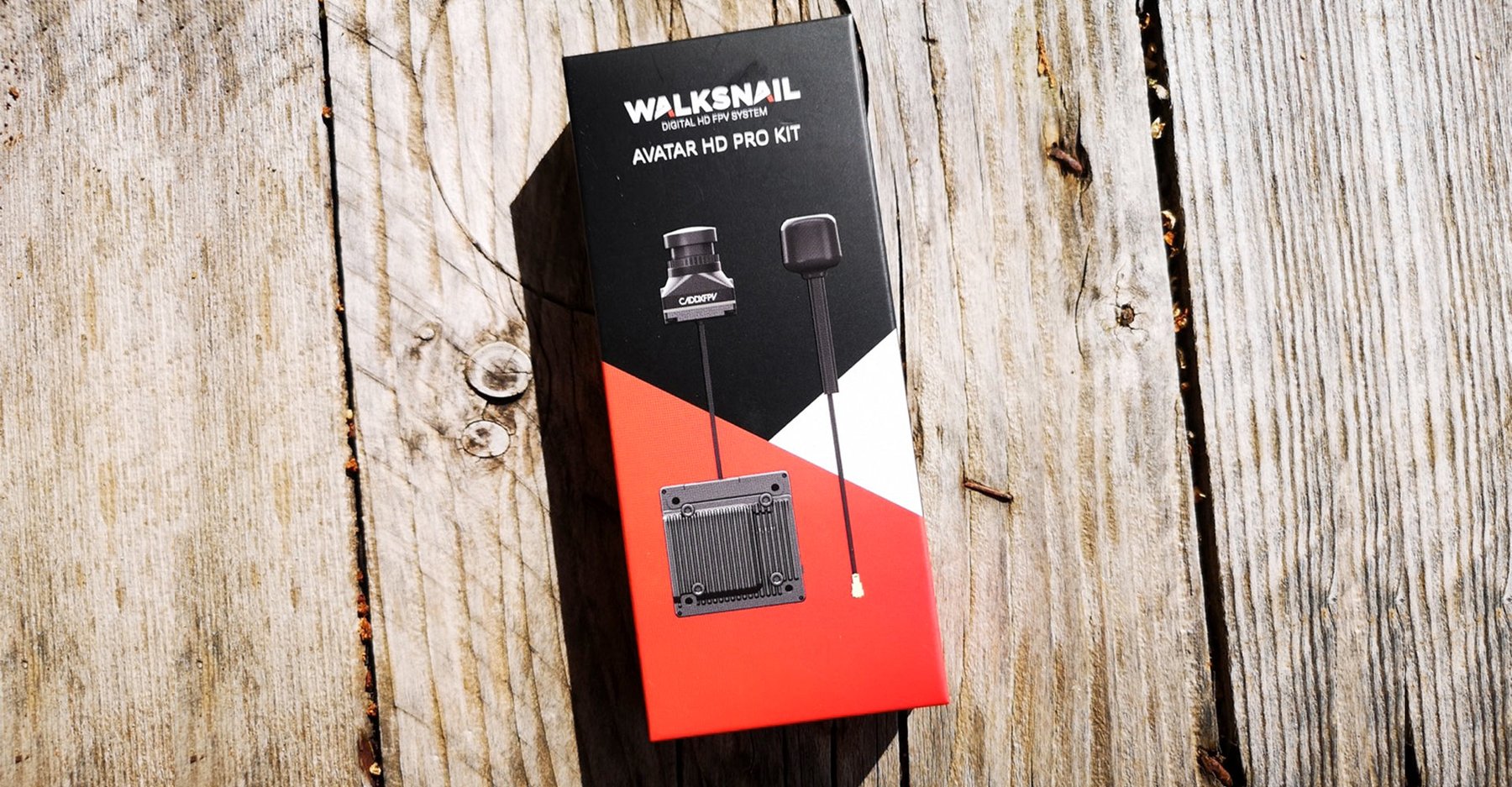 CaddxFPV (Walksnail) Walksnail Avatar HD Pro Kit
Video link systems transmit the drone's camera image live to goggles, a screen or the ground station. Digital systems offer better image quality; analogue and some digital systems offer particularly low latency.
Resolution
Resolution of the live view and, where available, of on-board recording. Manufacturers often state the recording resolution; for the pilot the live view counts.
Frame rate (fps)
Frames per second in the live image. Higher frame rates look smoother and reduce perceived delay.
Frequency
Radio band used, such as 2.4 GHz, 5.8 GHz or 868/915 MHz. Lower frequencies penetrate obstacles better; not every band and channel plan is permitted in the EU.
Weight (g)
Weight of the air unit (transmitter or receiver on the drone), usually without antenna and cables.
Channels or bandwidth
Depending on the system, the number of channels, channel width, bit rate or packet rate. A higher bit rate improves the image; a higher packet rate shortens the response time of the control link.
Latency (ms)
Delay between capture or control command and arrival at the receiver. For FPV flight, low and consistent latency matters more than high resolution.
Protocol
Transmission system, such as DJI O3/O4, Walksnail Avatar, HDZero, ExpressLRS or TBS Crossfire. Transmitter and receiver must use the same protocol; ExpressLRS is an open protocol used by several hardware vendors.
Range stated by manufacturer (km)
Largest manufacturer figure, usually under US conditions (FCC) and clear line of sight. Under CE rules the range is often much shorter (values in the note); in the open category visual line of sight applies anyway.
Transmit power (mW)
Radiated power in milliwatts. For DJI and Walksnail it is the converted FCC upper limit, not a measurement; permitted values in the EU are lower, and the CE values are in the note.
For FPV flight, low and consistent latency matters more than the highest resolution. Transmitter and goggles or ground station must use the same protocol (e.g. DJI O3/O4, Walksnail Avatar, HDZero). For professional use there are combined systems carrying video, control and telemetry over one link. Manufacturer ranges usually apply under FCC conditions and clear line of sight; under CE they are often much shorter. Weight and heat of the air unit are decisive on small drones.
Ranges and transmit powers are manufacturer figures, mostly under US rules (FCC). Lower limits apply in the EU; CE values, where known, are given in the note.
In the EU, devices may only be operated in the frequency ranges and power levels permitted there.
Why is the range shorter under CE?
Because lower transmit powers are permitted in the EU than in the USA. Manufacturers usually advertise the FCC value.
What matters more: latency or resolution?
For flying by video, latency. For recordings, the camera's recording resolution matters, not the live view.
Can I mix different video link systems?
No, transmitter and receiver must belong to the same system.