Torpedo Other models
7 models in this series
Torpedo – other models: the collective page of the tractors from Rijeka, from the D 40 06 and D 45 06 through the Kvarner 75A to the RX series, 30 to 130 kW, with own and licence-built Deutz engines
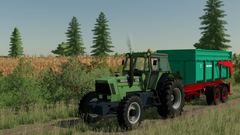
Torpedo was a tractor maker from Rijeka on the Croatian Adriatic coast. This page gathers the models the register could not assign to a named range: the D-types D 40 06 and D 45 06, the Kvarner 75A named after the Kvarner Gulf near Rijeka, and the RX series with the RX100, RX 120 and RX 170 Eruo, plus the TT-120 D. The brand built both its own engines and units under licence from Deutz, typical of the close technical ties between Yugoslav agricultural machinery makers and West German engine builders at the time.
Read on 3 more paragraphs
The register lists 7 versions here with 30 to 130 kW, or 40 to 170 hp, from diesel engines typical of agricultural tractors of the period.
With this model range Torpedo served mainly the Yugoslav and later Croatian market for agricultural tractors, in an environment where licensed production of Western engine technology let domestic makers keep pace with international power classes. The span from compact types to the powerful RX 170 Eruo shows the brand offered both smaller farm tractors and more powerful machines for larger operations.
When buying a used Torpedo tractor, the condition of the licence-built Deutz engines or the brand's own units matters most, since continuous factory parts supply for the brand appears no longer to exist; gearbox, hydraulics and electrics should be checked as with any historic Balkan tractor, with spare parts most easily found through Croatian and former Yugoslav agricultural machinery specialists.
Sources: SpecCodex register, model data: Torpedo (weitere Modelle)
Models
Tractor in 3D section
Turn the model, look inside and click an assembly — each one is explained.
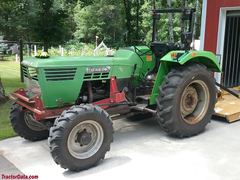
D 45 06
The Torpedo D 45 06 is a machine built by Torpedo. The engine delivers 45 hp (34 kW). The engine comes from licensed...
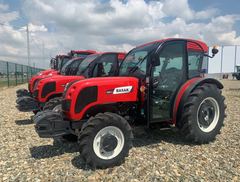
Kvarner 75A
The Torpedo Kvarner 75A is a tractor from Torpedo. It runs with MFWD. The engine is water-cooled. Torpedo is the...
RX 170 Eruo
The Torpedo RX 170 Eruo is a machine built by Torpedo. The engine delivers 170 hp (130 kW). The engine comes from...
TorpedoRX 120no photoRX 120
The Torpedo RX 120 is a machine built by Torpedo. The engine delivers 120 hp (89 kW). The engine comes from Torpedo....
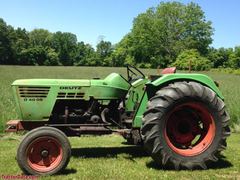
D 40 06
The Torpedo D 40 06 is a tractor made by Torpedo. Engine output is 30 kW. The engine is water-cooled. Within the...
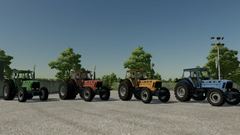
RX100
The Torpedo RX100 is a tractor made by Torpedo. The engine produces 76 kW. The engine is water-cooled. Within the...
TorpedoTT-120 Dno photoTT-120 D
The Torpedo TT-120 D is a tractor made by Torpedo. It runs with MFWD. The engine is water-cooled.
