Mercedes Benz 412D-9044
6 models in this series
Mercedes-Benz 412 D – the upper weight class of the first Sprinter generation: five-cylinder OM 602 diesel with 90 kW, 4.6-tonne gross weight, unladen weights from 2,310 to 3,310 kg
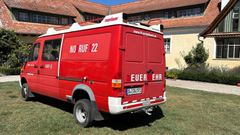
The Mercedes-Benz 412 D belongs to the first Sprinter generation, which Mercedes-Benz introduced in 1995 as the successor to the T1 van and built at the Düsseldorf plant and in Ludwigsfelde. The type designation follows the light-commercial-vehicle scheme of the time: the first digit names the weight class, the following two the power step, and the D the diesel engine. The 412 D therefore stands for the range's upper weight class with the five-cylinder OM 602 diesel.
Read on 3 more paragraphs
The register lists here 6 versions with 90 kW from the five-cylinder diesel of 2,870 cm³, unladen weights from 2,310 to 3,310 kg at a gross weight of 4,600 kg, lengths from 6,550 to 6,900 mm and widths from 2,090 to 2,220 mm.
The Sprinter established a self-supporting body and permanent rear-wheel drive as a new concept in the van and light-truck segment and quickly became the benchmark of the class up to 5 tonnes; in North America Mercedes-Benz sold it from 2001 under the Freightliner Sprinter name. The 412 D, as one of the heaviest versions of the first generation, targeted trades, furniture removal and small haulage firms.
On a used example, rust at the wheel arches, sliding-door tracks and floor pan, the condition of the injection pump and turbocharger of the OM 602, wear on the clutch and gearbox under continuous use, and brakes and suspension under high payload count; spare parts run through the Mercedes-Benz commercial-vehicle network.
Sources: SpecCodex register, model data: Mercedes-Benz 412 D, Mercedes-Benz (manufacturer)
Models
Truck in 3D section
Turn the model, look inside and click an assembly — each one is explained.
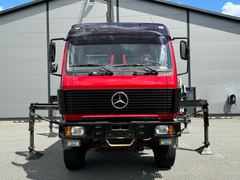
412D-9044
The Mercedes Benz 412D-9044 belongs to the 412D-9044 series. Production: 1998. The engine delivers 90 kW, with a...
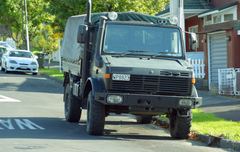
412D-9044 2-3-4X4
The 412D-9044 series from Mercedes Benz includes the 412D-9044 2-3-4X4. Production: 1999. The engine delivers 90 kW,...
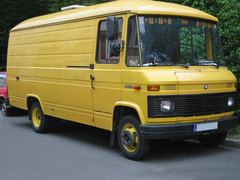
412D-9044 12/355
The Mercedes Benz 412D-9044 12/355 is a model in the 412D-9044 series. Production: 1995. The engine delivers 90 kW,...
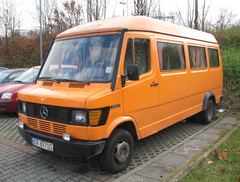
412D-9044 13/403
With the 412D-9044 13/403, Mercedes Benz offers a model from the 412D-9044 series. Production: 1996-1998. The engine...
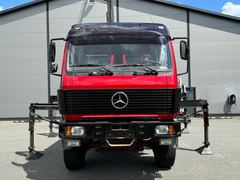
412D-9044 3/403
The 412D-9044 3/403 is a version from 1996, the year in which the Vario family from Mercedes-Benz also reached the...
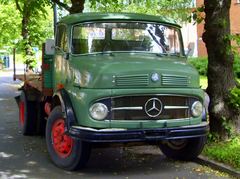
412D-9044/403
The 412D-9044/403 was built in 1996 and carries a type code very close to another entry of the series. Both vehicles...
