Gntech Other models
1 model in this series
Gntech 71335G – a three-phase industrial motor rated at 2.2 kilowatts for smaller pumps, compressors and workshop machines in trade and industry
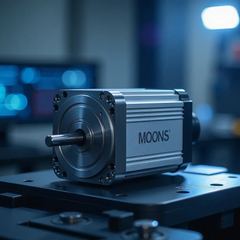
Motors such as the 71335G described here belong to the broad class of small to medium three-phase industrial motors, working on pumps, fans and light machine drives across trades and industry.
Read on 3 more paragraphs
With a rated output of 2.2 kilowatts, the motor sits in a range that often drives smaller pumps, compressors or workshop machines. The figure 71 at the front of the type designation corresponds to a small, common frame size under IEC 60072 and fixes the shaft centre height and mounting dimensions.
In industrial motors of this kind the squirrel-cage rotor is standard, since it runs with little maintenance and needs no slip rings. The number of poles sets the synchronous speed: at 50 hertz, two-pole motors turn at 3,000 revolutions per minute, four-pole motors at 1,500 and six-pole motors at 1,000, each slightly reduced by slip. Protection ratings follow IEC 60529 and mounting arrangements IEC 60034-7, for example a foot-mounted IM B3 motor or a flange-mounted IM B5 type. Running it from a frequency inverter raises the demands on insulation strength.
When buying secondhand, the rating plate is worth checking first: output, voltage, frequency and connection type should be legible and suitable. Turned by hand, the bearings should run smoothly, without play or noise, while an insulation test with an insulation-resistance tester reveals damp or damaged windings. The fan cover and terminal box deserve a second look, since corrosion or broken ribs point to a hard working life. If the motor has been rewound, that is worth raising openly before buying.
Sources: SpecCodex-Register: Kennwerte des Modells 71335G
Models
Electric motor in 3D section
Turn the model, look inside and click an assembly — each one is explained.
