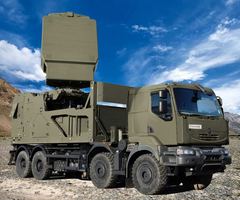
Counter-drone systems (complete systems)
Manufacturers in this group:
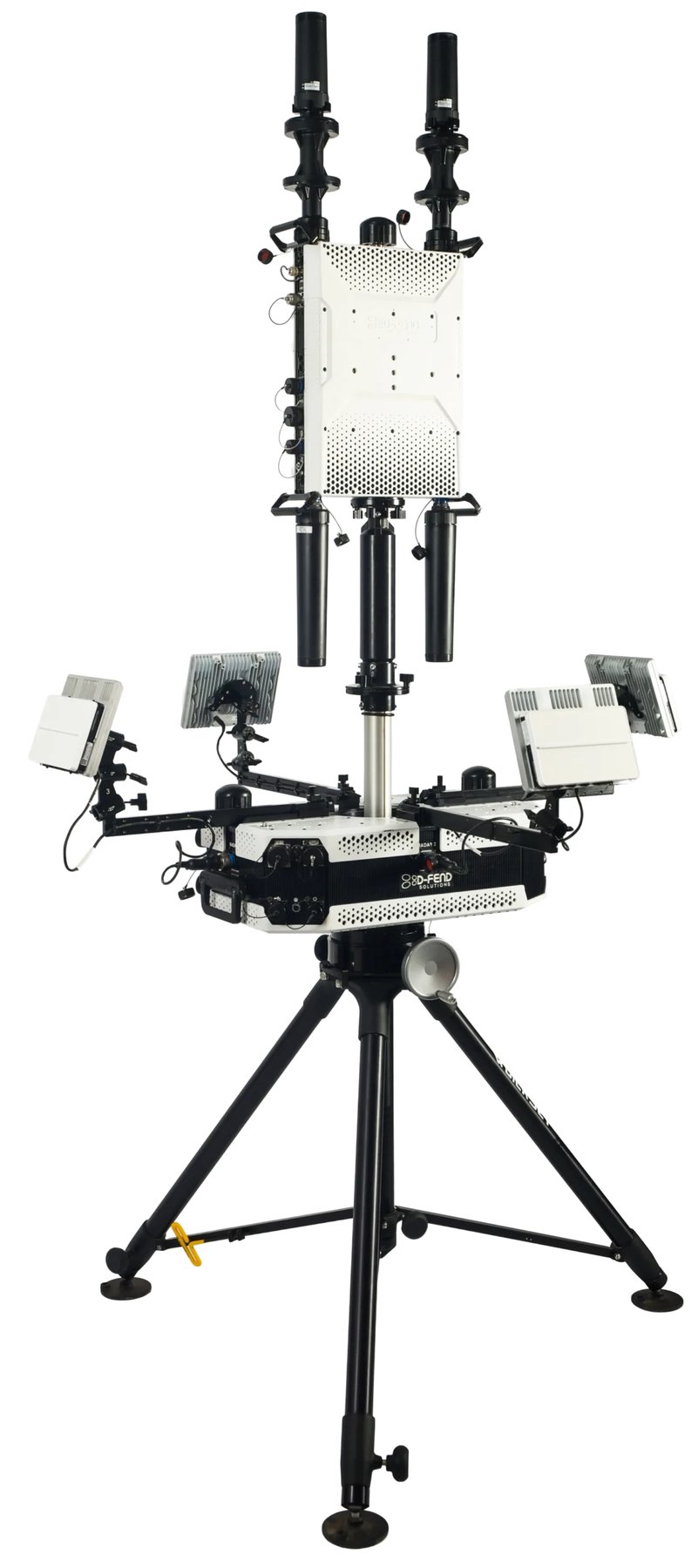 D-Fend Solutions EnforceAir2
Complete systems combine sensors such as radar, RF detector and camera with situational-awareness software and in some cases with effectors into one counter-drone solution. They are used at airports, prisons, critical infrastructure and events, and by police and the military.
Coverage (degrees)
Horizontal detection or effect angle of a single unit. All-round protection needs either a 360-degree unit or several sector units.
Field of use
Fields of use named by the manufacturer, such as airport, prison, critical infrastructure, event, police or military. This is a manufacturer statement, not a permission to operate.
Detection range (km)
Distance up to which the system detects a drone according to the manufacturer, under favourable conditions. It depends strongly on drone size, terrain and radio environment and is only partly comparable between manufacturers.
Frequency bands
Radio ranges the device receives or occupies, such as ISM bands or GNSS. For detection-only devices it is the receiving range.
Weight (kg)
Weight of the device or main unit in kilograms. For stationary installations usually without mast, power supply and control station.
Mobility
Design: handheld, portable, vehicle-mounted, relocatable or stationary. It determines whether the system suits fixed sites or changing locations.
Sensor type
Type of detection or effect, such as radar, passive RF detector, camera or jammer. Combining several sensor types reduces false alarms and gaps.
Principle of effect
Describes in general terms how the system acts on a drone, for example radio jamming, protocol takeover or a capture net. For sensor-only systems it is empty or only describes detection.
Effect range (km)
Distance up to which the countermeasure works according to the manufacturer. Not given for sensor-only systems; manufacturer figures apply to favourable conditions.
Approval note
Short note from the data on approval and authorisation to operate, such as “authorities only” or “export licence required”. It does not replace a legal assessment of the individual case.
Combining several sensor types is decisive, because each has its own gaps: RF detectors miss non-transmitting drones, radars miss small targets at long range, cameras struggle in bad weather. Designs range from portable kits and vehicles to stationary containers. Whether and which effectors are permitted depends on the operator and the law; in Germany and Poland private operators can generally only use detection functions. Integration into existing control centres and the number of targets tracked at once also matter. Manufacturer range figures apply to favourable conditions.
Germany: every use of frequencies requires an assignment by the Federal Network Agency (Bundesnetzagentur, § 91(1) TKG). Authorities may use frequencies assigned to others only for statutory tasks and under the conditions set by the Bundesnetzagentur. Private individuals and companies therefore have no route to operating jammers; unauthorised transmissions are prosecuted by the Bundesnetzagentur.
Poland: under Art. 42 of the Electronic Communications Law (Prawo komunikacji elektronicznej, Dz.U. 2024 item 1221), devices that prevent telecommunications in an area are only permitted in cases governed by specific laws. Only the bodies listed there may order their use, including the Minister of National Defence, the Minister of the Interior, the Police, the Border Guard, the Military Gendarmerie, ABW, SKW, SOP and KAS. Private parties may not operate jammers.
Poland: since the amendment of the Aviation Law (Dz.U. 2025 item 179), Art. 156ze of the Prawo lotnicze allows certain state bodies to destroy a drone, disable it or take over its flight in defined threat situations.
Germany: § 15a LuftSiG governs support for drone defence by the armed forces as administrative assistance; responsibility for averting danger generally lies with the federal and state police.
Some entries are military weapon systems; they are listed with technical data only. According to the manufacturers, exports require a licence.
Ranges are manufacturer figures under favourable conditions and only partly comparable between manufacturers. No prices are available.
What makes up a complete counter-drone system?
Several sensors (e.g. radar, RF detector, camera), software for the situational picture and, depending on the operator, effectors.
May a company operate a complete system with a jammer?
Not in Germany or Poland; jammers are reserved for authorities there. Detection functions must be considered separately.
Who may intercept or take over a drone in Poland?
Under Art. 156ze of the Prawo lotnicze, only the state bodies listed there, in defined threat situations.
Advanced Protection Systems (APS)

Anduril Industries
DroneShield
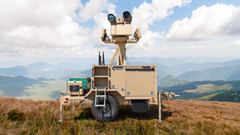
Fortem Technologies
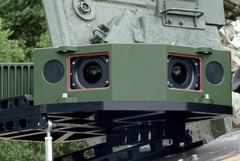
HENSOLDT
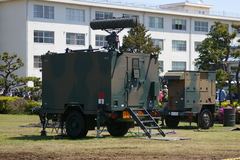
Hertz Systems Ltd
no photoMARSS
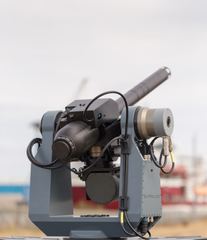
OpenWorks Engineering
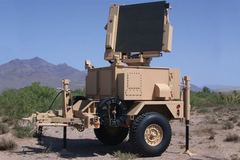
Alpine Eagle
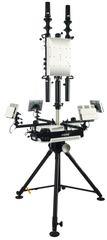
D-Fend Solutions
no photoElbit Systems
no photoIsrael Aerospace Industries (ELTA)
no photoKONGSBERG (Kongsberg Defence & Aerospace)
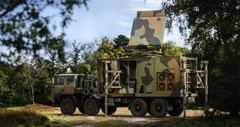
Leonardo
no photoOndas Holdings (Iron Drone)
no photoOrigin Robotics
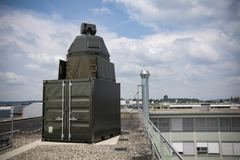
Rheinmetall (Rheinmetall Air Defence)

Sentrycs
no photoTYTAN Technologies